Article
Functional Strength Training: Your Path to a Stronger, Longer Life
 May 07, 2026
Updated May 07, 2026
4 min read
May 07, 2026
Updated May 07, 2026
4 min read
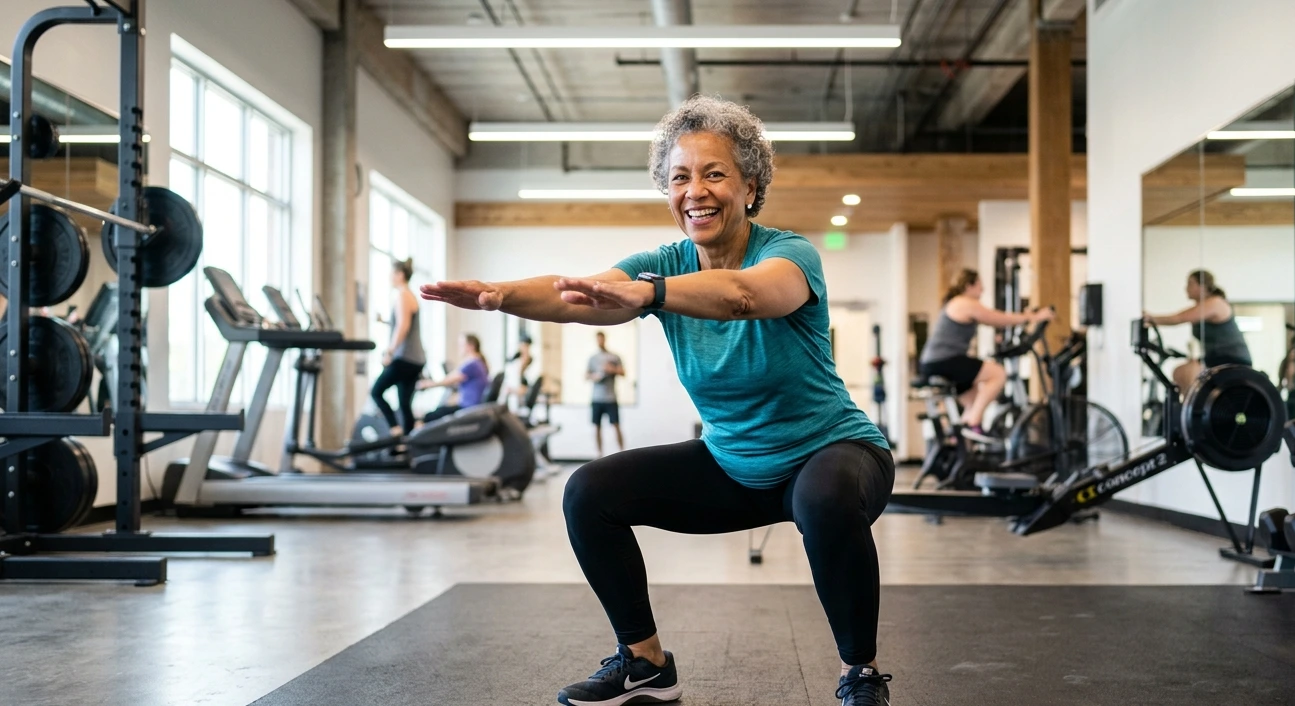
Functional strength training is rapidly gaining recognition as the most effective approach to building a body that performs optimally, not just looks good. This shift from purely aesthetic goals to a focus on real-world movement and long-term health is empowering individuals to live stronger, more independent lives for decades to come.
Functional strength training is a holistic exercise approach building strength, stability, and mobility for real-world movements and daily activities, moving beyond mere aesthetics. It is a vital method for improving overall quality of life, enhancing independence as we age, and significantly contributing to a longer, healthier existence by preparing the body for life’s practical demands.
What is Functional Strength Training?
This form of exercise emphasizes movements that mimic everyday actions, such as lifting, pushing, pulling, squatting, bending, and rotating. Unlike traditional bodybuilding, which often isolates individual muscles, functional strength training engages multiple muscle groups and joints simultaneously, promoting better coordination, balance, and proprioception. The goal is to improve your capacity to perform daily tasks with ease and reduce the risk of injury, empowering you to navigate life’s challenges more effectively. It is about training the body as a cohesive unit, fostering movement quality.
Why the Shift from Aesthetics to Longevity?
The focus in fitness has steadily evolved from purely aesthetic goals, like achieving a “beach body,” to a more profound pursuit of health span and independence. We are witnessing a societal understanding that looking strong is not always synonymous with being functionally strong. As we age, maintaining muscle mass and bone density becomes critical. According to the National Institutes of Health (NIH), adults can lose 3-8% of their muscle mass per decade after age 30, a condition known as sarcopenia, which significantly impacts quality of life. Functional strength training directly combats this decline, preserving the ability to perform daily activities and enjoy an active life well into later years.
How Does Functional Strength Training Benefit Everyday Life?
Functional strength training directly translates to an improved capacity for daily activities, making life easier and more enjoyable. Imagine effortlessly carrying heavy groceries up a flight of stairs, playing actively with grandchildren without aches, or simply getting up from a low chair with ease. These are not just conveniences; they are indicators of robust health and independence. By strengthening the core, improving balance, and enhancing range of motion, this training reduces the likelihood of falls, a significant concern for older adults, and minimizes the strain on joints during routine movements. It is about building resilience for life’s unpredictable demands.
Key Principles of Effective Functional Strength Training
Effective functional strength training revolves around compound movements that engage multiple joints and muscle groups. It is not about isolating biceps; it is about training your body to move efficiently as a system. Exercises often involve bodyweight, free weights, resistance bands, or kettlebells, allowing for natural movement patterns. Core stability is paramount, as a strong core acts as the foundation for all movement. The Mayo Clinic emphasizes the importance of incorporating exercises that challenge balance and coordination, such as single-leg deadlifts or lunges, to build comprehensive real-world strength that supports long-term health.
Is Functional Strength Training Only for Athletes?
A common misconception is that functional strength training is exclusively for elite athletes seeking to enhance performance in their sport. This is simply not true. While athletes certainly benefit from its principles, functional strength training is profoundly relevant and beneficial for individuals of all ages and fitness levels. Whether you are a busy parent needing to lift children, a remote worker seeking to counteract prolonged sitting, or a retiree aiming for vibrant independence, this training provides the foundational strength and mobility required for a higher quality of life. It democratizes practical fitness, making it accessible and valuable for everyone.
Building Your Functional Strength Training Routine
Starting a functional strength training routine does not require complex equipment or specialized gyms; many effective exercises can be done at home. Focus on foundational movement patterns that mimic daily life.
- Squats: Build lower body strength for sitting, standing, and lifting.
- Lunges: Improve balance and unilateral leg strength, crucial for walking and climbing stairs.
- Push-ups: Strengthen the chest, shoulders, and triceps, essential for pushing objects.
- Rows (e.g., resistance band rows): Develop back and bicep strength for pulling actions.
- Planks: Enhance core stability and endurance, protecting the spine.
- Deadlifts (bodyweight or light weight): Teach proper hip hinging for safe lifting.
Consistency is more important than intensity initially. Aim for 2-3 sessions per week, gradually increasing resistance or repetitions as you get stronger.
Frequently asked questions
What is the main difference between functional and traditional strength training?
The main difference lies in their goals. Traditional strength training often focuses on muscle hypertrophy and isolation for aesthetic appeal, while functional strength training prioritizes improving real-world movement patterns, coordination, and overall physical capacity for daily tasks and longevity.
Can functional strength training help with weight loss?
Yes, functional strength training can significantly contribute to weight loss. By building lean muscle mass, it boosts your metabolism, meaning you burn more calories even at rest. The compound movements also expend more energy during the workout compared to isolated exercises.
How often should I do functional strength training?
For most adults, performing functional strength training 2-3 times per week on non-consecutive days is ideal. This allows muscles adequate time to recover and rebuild, which is crucial for progressive strength gains and preventing overtraining. Listen to your body.
Is functional strength training safe for older adults?
Absolutely, functional strength training is highly beneficial and safe for older adults when performed with proper form and appropriate resistance. It is excellent for maintaining independence, improving balance, and reducing fall risk. Consulting a doctor or physical therapist before starting is always a wise step.
Disclaimer: This article is for general educational purposes only and is not medical advice. It is not a substitute for professional diagnosis or treatment. Always consult a qualified healthcare provider before making changes to your diet, supplements, training, or medication.