Article
Peptides Bodybuilding Goals: Recovery & Body Comp in 2026
 May 03, 2026
Updated Jun 20, 2026
5 min read
May 03, 2026
Updated Jun 20, 2026
5 min read
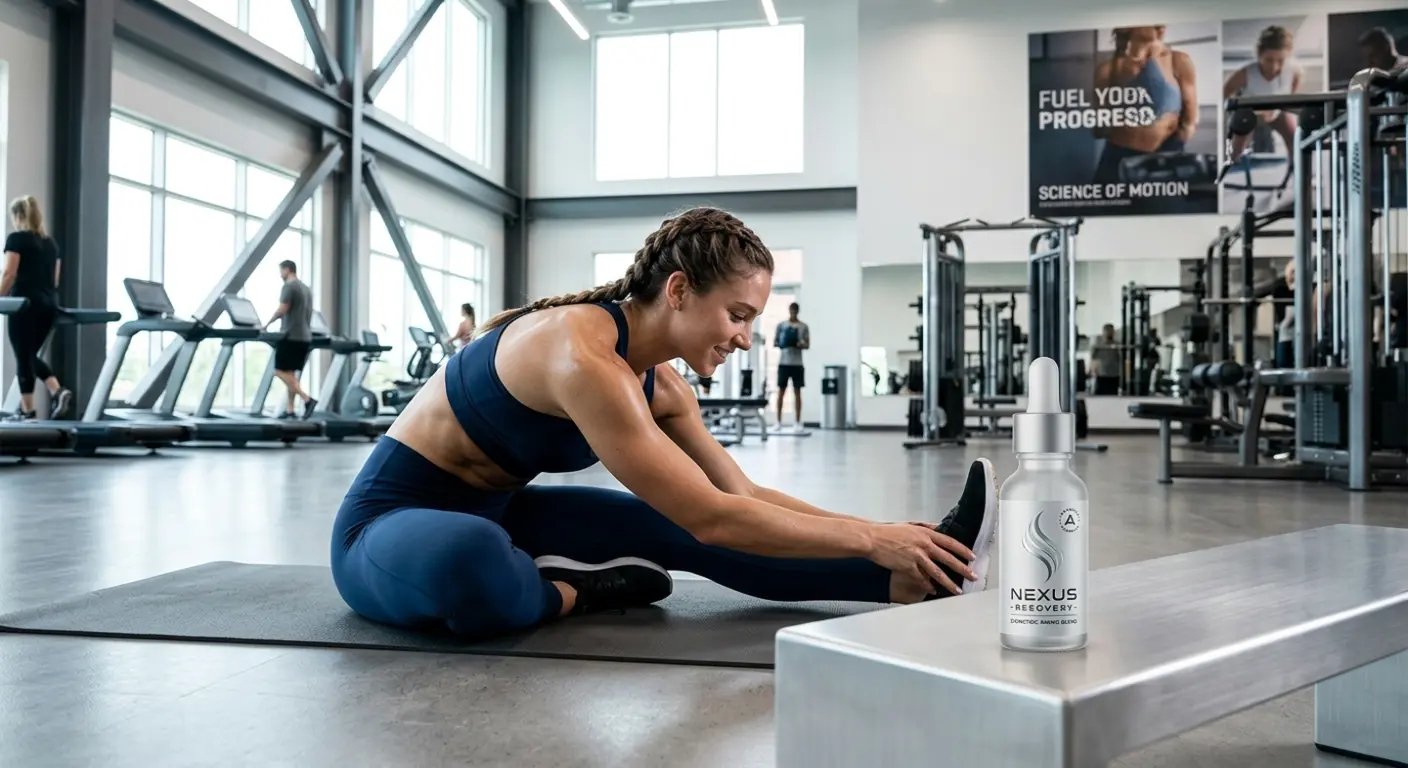
In 2026, peptides are fundamentally reshaping bodybuilding goals, moving beyond mere bulk towards optimized recovery and superior body composition. This shift emphasizes cellular repair and metabolic efficiency, offering athletes a smarter path to peak performance.
Peptides are reshaping bodybuilding goals in 2026 by shifting the focus from simply gaining mass to optimizing recovery, enhancing cellular repair, and achieving superior body composition. These advanced compounds offer a more intelligent and sustainable approach to athletic development, prioritizing long-term health and performance.
What Are Peptides and Why Are They Gaining Traction?
Peptides are short chains of amino acids, the building blocks of proteins, that act as signaling molecules within the body. Unlike full proteins, their smaller size allows them to be highly specific in their actions, making them incredibly effective for targeted physiological responses. Their growing traction in bodybuilding stems from a deeper understanding of cellular function and the desire for more nuanced, less invasive methods to improve performance and physique. Athletes are increasingly looking beyond traditional supplements for advanced solutions that support the body's natural processes, and peptides fit this bill perfectly. We are seeing a significant shift in focus towards internal optimization rather than just external bulk.
How Do Peptides Enhance Recovery for Athletes?
Peptides significantly enhance recovery by targeting various physiological pathways involved in tissue repair and inflammation modulation. For instance, specific peptides can stimulate growth hormone release, which is crucial for muscle protein synthesis and collagen regeneration, thereby speeding up recovery from intense workouts. Others work to reduce inflammation, alleviating muscle soreness and allowing athletes to return to training sooner and with less discomfort. This expedited recovery means less downtime and more consistent, high-quality training sessions, which is a game-changer for progressive overload and injury prevention. A faster, more complete recovery is paramount for sustained progress in any demanding training regimen.
The Shift Towards Optimized Body Composition with Peptides
The traditional bodybuilding pursuit of "bulking and cutting" is evolving, with peptides leading the charge towards optimized body composition year-round. Instead of drastic cycles, peptides allow for a more refined approach, simultaneously supporting lean muscle growth while promoting fat metabolism. Certain peptides can enhance lipolysis, the breakdown of fats, while others may improve nutrient partitioning, directing calories towards muscle repair and away from fat storage. This means athletes can achieve a leaner, more aesthetic physique with greater ease and less metabolic stress, maintaining a higher quality of muscle definition throughout their training phases. It is a smarter, more efficient way to sculpt the body.
| Aspect | Traditional Bodybuilding (Pre-Peptides) | Peptide-Aided Bodybuilding (2026) |
|---|---|---|
| Primary Goal | Max muscle mass, then cut fat | Optimized body composition, year-round leanness |
| Recovery Speed | Often slower, prone to overtraining | Significantly accelerated, reduced soreness |
| Injury Prevention | Reactive approach, rehabilitation | Proactive, tissue repair and strengthening |
| Metabolic Efficiency | Fluctuating due to bulk/cut cycles | Improved nutrient partitioning, stable metabolism |
Peptides Bodybuilding Goals: Beyond Just IGF-1 and HGH
While peptides like IGF-1 and HGH fragments have long been discussed, the landscape of peptides for bodybuilding goals is far more expansive and nuanced in 2026. The real innovation lies in understanding the synergistic effects of various lesser-known peptides that target specific pathways. For example, BPC-157 is gaining significant recognition for its remarkable regenerative properties, particularly in tendon and ligament repair, offering a surprising level of localized healing. Similarly, GHK-Cu, often associated with skin health, is also being explored for its role in tissue remodeling and anti-inflammatory effects, demonstrating that the benefits extend far beyond the most commonly cited compounds. This broader understanding allows for highly customized and effective protocols.
The Role of Scientific Validation in Peptide Use
As the use of peptides for bodybuilding goals expands, the role of rigorous scientific validation becomes ever more critical. While anecdotal evidence is plentiful, athletes and coaches are increasingly seeking peer-reviewed studies and expert consensus. Organizations like the National Institutes of Health (NIH) continue to fund research into peptide therapeutics, providing a foundation for understanding their mechanisms and safety profiles. It is imperative to distinguish between well-researched compounds and those lacking robust data. Responsible use necessitates staying informed about the latest clinical findings and understanding potential side effects, ensuring that progress is made safely and effectively. The future is informed, not just experimental.
When considering peptides, athletes should prioritize:
- Consulting with qualified healthcare professionals.
- Reviewing available scientific literature and clinical trials.
- Understanding the source and purity of any compounds.
- Being aware of anti-doping regulations (e.g., from WADA) if competing.
What Does the Future Hold for Peptides in Athletics?
The future of peptides in athletics, particularly concerning bodybuilding goals, points towards increasing personalization and integration into a holistic wellness approach. Experts predict that the global peptide therapeutics market, which was valued at approximately $45 billion in 2022, will continue to see significant growth, driven partly by sports applications. We anticipate more sophisticated diagnostic tools that can identify individual peptide deficiencies or optimal response profiles, leading to highly tailored regimens. This shift will move away from one-size-fits-all solutions towards precision medicine, where specific peptide combinations are chosen based on an athlete's unique genetic makeup, training demands, and recovery needs, maximizing both efficacy and safety.
Frequently asked questions
Are peptides safe for long-term use in bodybuilding?
The safety of peptides for long-term use varies greatly depending on the specific peptide and individual health. While many are well-tolerated, comprehensive research on all compounds is ongoing. It is crucial to consult with a medical professional and adhere to recommended dosages to mitigate potential risks and ensure safe application within your bodybuilding regimen.
How do peptides differ from anabolic steroids?
Peptides differ from anabolic steroids fundamentally in their mechanism of action. Steroids are synthetic hormones that directly mimic testosterone, often leading to significant side effects. Peptides, conversely, are signaling molecules that stimulate the body's natural processes, such as growth hormone release or tissue repair, typically with a more targeted and nuanced effect.
Can peptides help with injury recovery in athletes?
Yes, many peptides are specifically recognized for their ability to significantly aid in injury recovery. Compounds like BPC-157, for instance, have shown promise in accelerating the healing of tendons, ligaments, and muscle tissue by promoting cellular regeneration and reducing inflammation. This makes them valuable tools for athletes aiming to return to peak performance quickly and safely.
Are peptides legal for competitive athletes?
The legality of peptides for competitive athletes is complex and varies by sport and governing body. Many peptides are on the World Anti-Doping Agency (WADA) prohibited list. Athletes must check current regulations with their specific sporting organization to ensure compliance, as failing to do so can result in disqualification and sanctions.
How do peptides impact bodybuilding goals for women?
Peptides impact bodybuilding goals for women by offering similar benefits to men, focusing on recovery, lean muscle development, and fat loss without the androgenic side effects often associated with traditional anabolics. They can support hormonal balance, improve skin elasticity, and enhance overall body composition, making them an attractive option for female athletes seeking targeted physiological improvements.
Disclaimer: This article is for general educational purposes only and is not medical advice. It is not a substitute for professional diagnosis or treatment. Always consult a qualified healthcare provider before making changes to your diet, supplements, training, or medication.