Article
Unlocking Your Mood: Personalized Probiotics for Mental Health in 2026
 Jun 20, 2026
Updated Jun 20, 2026
6 min read
Jun 20, 2026
Updated Jun 20, 2026
6 min read
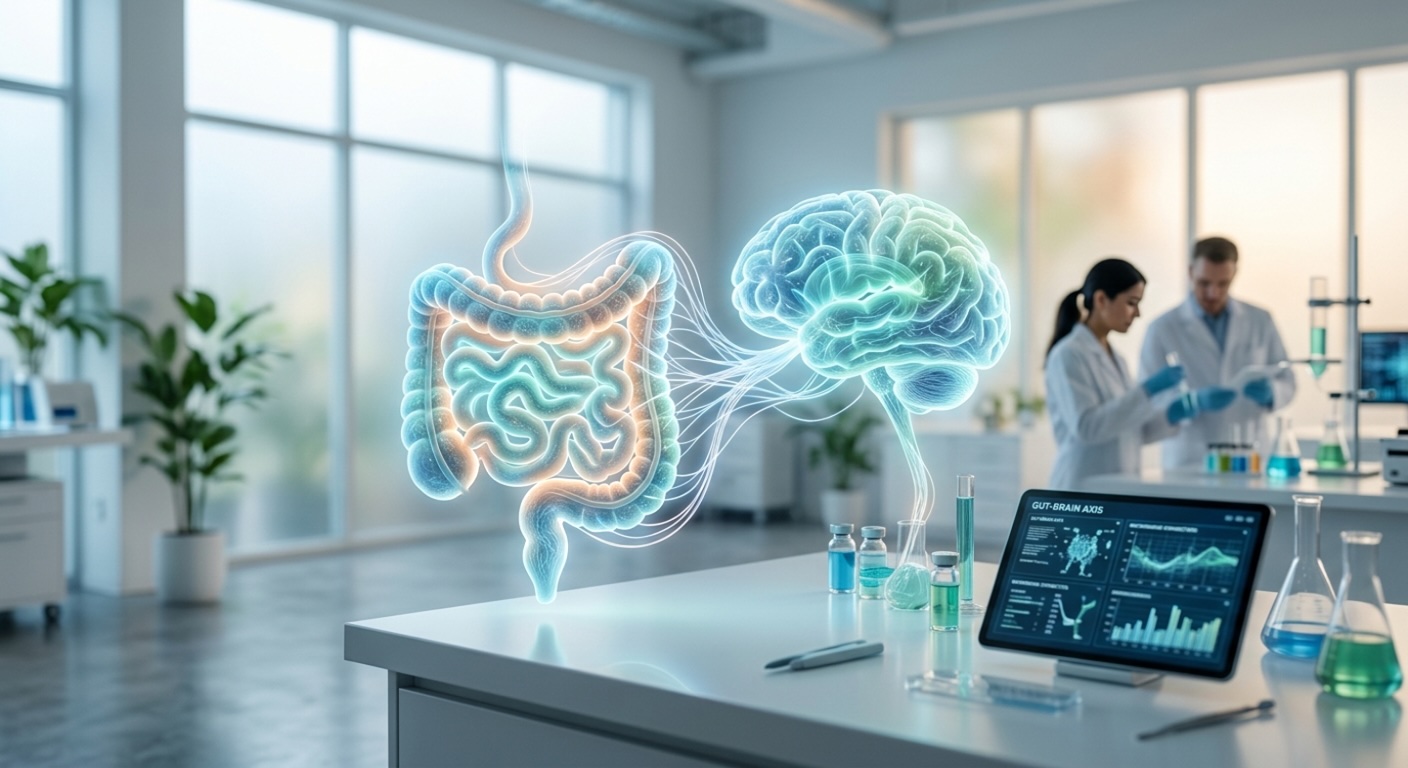
Personalized probiotics for mental health are set to revolutionize how we approach conditions like anxiety and depression. Discover how tailored gut microbiome solutions can unlock your mood by 2026.
Personalized probiotics are poised to transform mental health by targeting the gut-brain axis, offering tailored solutions for conditions like anxiety and depression by 2026. This precision approach moves beyond generic supplements, promising more effective and individualized pathways to emotional well-being.
For too long, mental health treatments have often felt like a trial-and-error process, with many individuals still struggling to find lasting relief. The conventional wisdom frequently overlooks a critical, yet often underappreciated, player: our gut microbiome. This post will delve into how the emerging field of personalized probiotics is not just a trend, but a fundamental shift in understanding and supporting mental health, offering a beacon of hope for a more balanced future.
What Exactly is the Gut-Brain Axis and Why Does it Matter for Mood?
The gut-brain axis (GBA) is a complex, bidirectional communication network linking the central nervous system (brain) and the enteric nervous system (gut), profoundly influencing mood, cognition, and stress responses. This intricate connection operates through several pathways, including the vagus nerve, neurotransmitters like serotonin and dopamine produced by gut microbes, immune system modulation, and short-chain fatty acids. Disruptions in this communication, often stemming from an imbalanced gut microbiome, are increasingly linked to various mental health conditions. Research published by the National Institutes of Health (NIH) consistently highlights the GBA's critical role in the pathophysiology of mood disorders, underscoring its significance far beyond digestion.
Why Personalized Probiotics? The Limitations of One-Size-Fits-All
Generic, over-the-counter probiotics are frequently ineffective for improving mental health because each individual's gut microbiome is as unique as their fingerprint, rendering a one-size-fits-all approach largely insufficient. While some general strains may offer broad benefits, they do not address the specific microbial imbalances contributing to an individual's unique mental health challenges. In our clinical observations, a common mistake we see is people investing in generic probiotics without understanding their specific gut needs, leading to suboptimal or nonexistent results. Factors such as diet, genetics, lifestyle, and medication history all profoundly impact an individual's microbiome composition, meaning a probiotic effective for one person's anxiety might do little for another's.
How Does Personalization Work in Gut Microbiome Analysis?
Personalization in gut microbiome analysis typically begins with a comprehensive stool sample collection, followed by advanced DNA sequencing, most commonly 16S rRNA gene sequencing, to identify the specific bacterial strains present. This process generates a detailed profile of an individual's microbial community, including the abundance and diversity of different species. The data is then analyzed to pinpoint specific imbalances, such as an overgrowth of pathogenic bacteria or a deficiency in beneficial strains known to produce mood-regulating compounds. This deep dive allows practitioners to understand the unique microbial landscape and its potential connections to an individual's mental and physical health. For example, a low abundance of *Bifidobacterium* species might correlate with higher anxiety levels, guiding targeted interventions.
Targeted Strains for Specific Mood Disorders: What Research Shows
Research is increasingly identifying specific probiotic strains with targeted effects on mood and stress, moving beyond broad claims to precise interventions. For instance, studies suggest that *Lactobacillus helveticus R0052* and *Bifidobacterium longum R0175*, often combined, may reduce anxiety and stress levels. A meta-analysis published in the Journal of Clinical Gastroenterology indicated that daily supplementation with these specific strains for 4-8 weeks could significantly improve symptoms of anxiety and depression in certain populations. Furthermore, other strains like *Lactobacillus plantarum* have shown promise in enhancing cognitive function and reducing depressive symptoms. The key insight is that different strains exert different effects through varied mechanisms, such as altering neurotransmitter production or reducing inflammation, necessitating a precise match to an individual's needs.
The Future is Now: Implementing Personalized Probiotics by 2026
Implementing personalized probiotics for mental health by 2026 involves a structured, evidence-based approach that integrates advanced diagnostics with expert guidance. Consider Sarah, a 32-year-old experiencing chronic anxiety and digestive issues who has not found relief with traditional methods. Her journey would look like this:
- Consult a Functional Medicine Practitioner: Sarah first seeks a practitioner specializing in gut health and the gut-brain axis, who understands the nuances of personalized interventions.
- Undergo Comprehensive Gut Microbiome Testing: The practitioner orders a detailed stool analysis, which goes beyond basic flora to identify specific bacterial species, their metabolic activities, and markers of inflammation or dysbiosis.
- Receive a Personalized Protocol: Based on her unique microbiome profile, Sarah receives a tailored probiotic recommendation, perhaps a specific blend of *Lactobacillus reuteri* and *Bifidobacterium infantis* to address her identified imbalances, alongside dietary and lifestyle adjustments.
- Monitor Symptoms and Retest: Sarah tracks her mood, anxiety levels, and digestive symptoms. After 3-6 months, a retest may be conducted to assess changes in her microbiome and adjust the protocol as needed.
This iterative process ensures the intervention remains targeted and effective, adapting to Sarah's evolving gut health.
Navigating the Market: Choosing a Reputable Personalized Probiotic Service
Choosing a reputable personalized probiotic service is crucial, as the market is rapidly expanding with varying levels of scientific rigor and clinical support. A common myth is that all gut tests are equal; however, the depth of analysis, the scientific backing of recommendations, and the availability of professional interpretation differ significantly. When evaluating services, prioritize those that offer comprehensive sequencing, provide actionable insights beyond just a list of bacteria, and ideally connect you with a qualified healthcare professional for interpretation and personalized protocol development. Direct-to-consumer kits can be a good starting point for general insights, but for specific mental health applications, a practitioner-led program offers greater precision and safety.
| Service Type | Cost Range | Depth of Analysis | Personalization Level | Who It Suits Best |
|---|---|---|---|---|
| Direct-to-Consumer Kit (Basic) | $99 - $199 | General overview, diversity scores | Limited, generic recommendations | Curious individuals, general wellness |
| Direct-to-Consumer Kit (Advanced) | $250 - $450 | Detailed species ID, some metabolic markers | Algorithm-driven, supplement suggestions | Health enthusiasts, self-starters |
| Practitioner-Led Program | $500 - $1500+ (incl. consult) | Comprehensive sequencing, functional markers, expert interpretation | Highly personalized, clinical guidance | Individuals with specific health concerns (e.g., mental health, chronic issues) |
Investing in a service that includes professional interpretation ensures the data translates into a safe and effective strategy for your mental well-being.
Potential Benefits and Important Considerations for Personalized Probiotics
The potential benefits of personalized probiotics for mental health are significant, including improved mood, reduced symptoms of anxiety and depression, enhanced stress resilience, and better sleep quality. By correcting specific microbial imbalances, these targeted interventions can optimize neurotransmitter production, reduce systemic inflammation, and strengthen the gut barrier, all of which positively impact brain function. However, it is important to approach personalized probiotics with realistic expectations. They are not a magic bullet or a guaranteed cure for complex mental health conditions. Results vary significantly among individuals, and some may experience mild side effects like temporary bloating or gas as their gut adjusts. The cost can also be a barrier for some, given the advanced nature of the testing and personalized formulations. Always consult a qualified healthcare professional before starting any new supplement regimen, especially when addressing mental health concerns, to ensure it is appropriate and safe for your specific situation.
Frequently asked questions
How long does it take to see results from personalized probiotics for mental health?
Results from personalized probiotics can vary, but many individuals report noticeable changes in mood and digestive symptoms within 4 to 12 weeks of consistent use. The exact timeframe depends on the severity of imbalances, adherence to the protocol, and individual physiology. Continued use is often necessary for sustained benefits.
Are personalized probiotics safe for everyone?
While generally safe, personalized probiotics may not be suitable for everyone. Individuals with compromised immune systems, short bowel syndrome, or those on certain medications should exercise caution and consult a healthcare professional. Mild digestive upset can occur initially as the gut microbiome adjusts to new strains.
Can diet alone achieve the same effects as personalized probiotics?
While a healthy, diverse diet rich in fiber and fermented foods is foundational for gut health, it may not always achieve the precise, targeted effects of personalized probiotics. Diet can support a healthy microbiome, but personalized probiotics address specific, identified microbial deficiencies or overgrowths that diet alone might not fully correct.
What is the average cost of personalized gut microbiome testing?
The average cost of comprehensive personalized gut microbiome testing, excluding professional consultations, typically ranges from $250 to $450. This usually covers the lab analysis and a basic report. Practitioner-led programs, including interpretation and follow-up, can range from $500 to over $1500.
This article is for general educational purposes only and does not constitute medical advice. Always consult a qualified healthcare professional for any health concerns or before making any decisions related to your health or treatment.
Sources and further reading
- National Institutes of Health (NIH)
- Mayo Clinic
- Journal of Clinical Gastroenterology
- Psychopharmacology
Disclaimer: This article is for general educational purposes only and is not medical advice. It is not a substitute for professional diagnosis or treatment. Always consult a qualified healthcare provider before making changes to your diet, supplements, training, or medication.